
Home Improvement Ideas to Make Your Backyard Usable
Is your backyard going unused? Explore practical home improvement projects—decks, shade, privacy, and drainage fixes—that create real outdoor living space.
Most unused backyards aren’t unused because homeowners don’t care about them. They’re unused because the space was never set up to be used for anything specific. No seating, no shade, no defined purpose — just grass, a fence line, and good intentions.
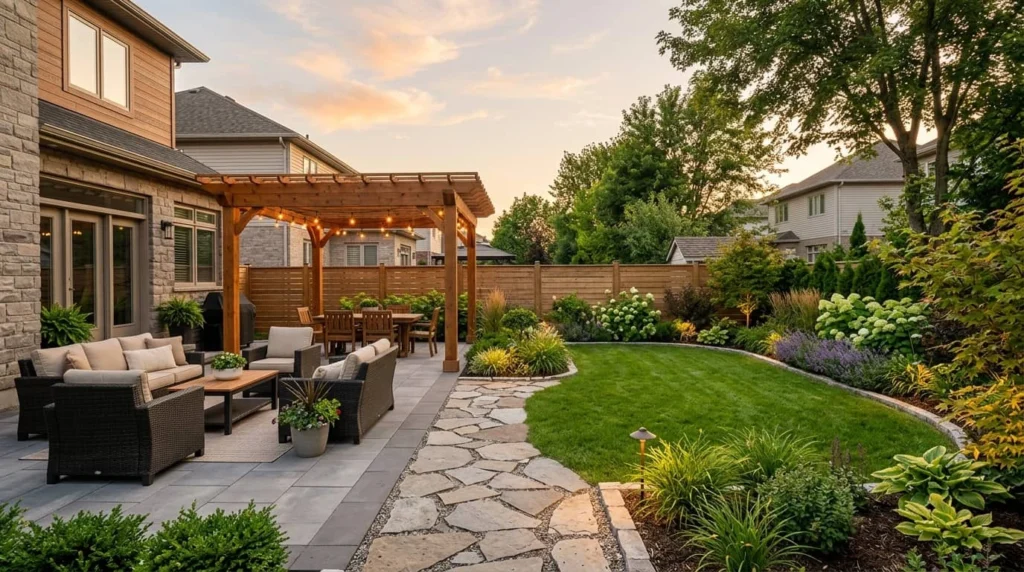
The fix isn’t always a full renovation. In most cases, a handful of targeted home improvement projects can turn a flat, forgettable yard into a space your family actually spends time in. This guide walks through why backyards go unused, which projects solve that problem, and how to decide what’s worth building first — including when a deck is the right call and when it isn’t.
Why So Many Backyards Go Unused
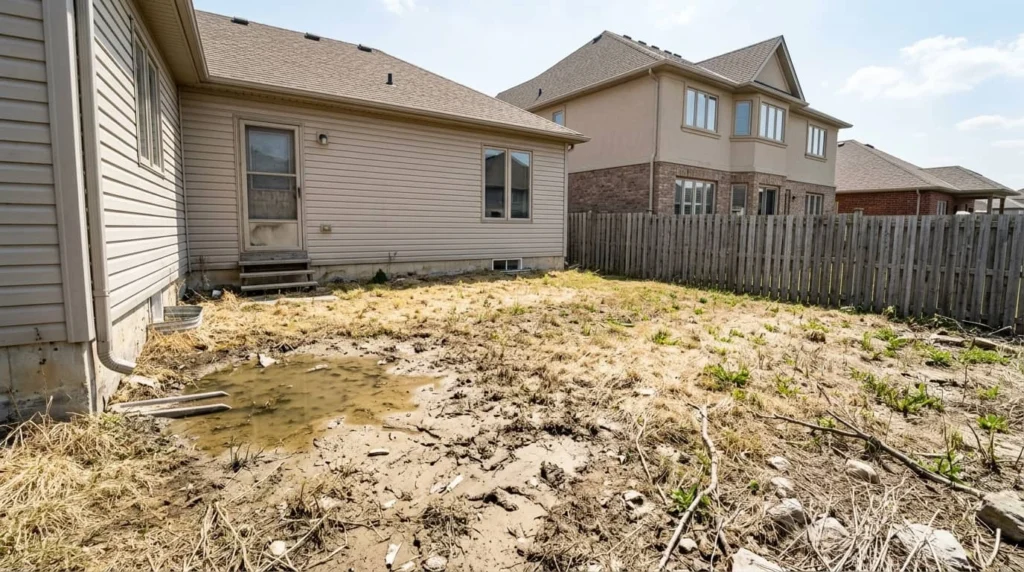
A backyard gets ignored for a few predictable reasons, and recognizing which one applies to your property is the first step toward fixing it.
No defined purpose. A yard with no seating area, no shade, and no clear “zone” doesn’t invite anyone to stay outside. People walk through it on the way to the garage, not into it to relax.
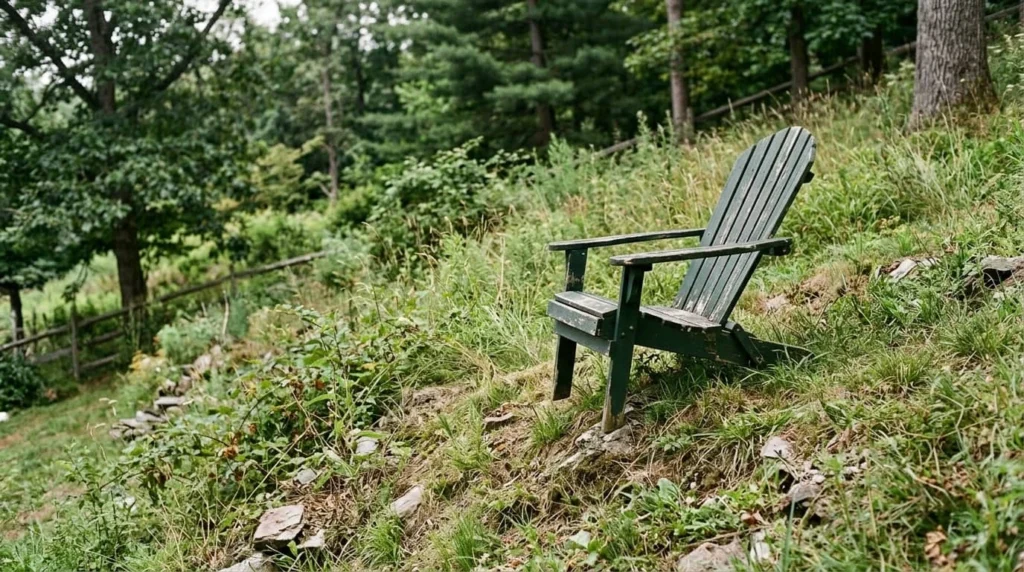
Uneven or unstable ground. Sloped, muddy, or uneven terrain makes it hard to place furniture, grills, or fire pits. Homeowners often avoid the space simply because it’s uncomfortable to stand or sit in.
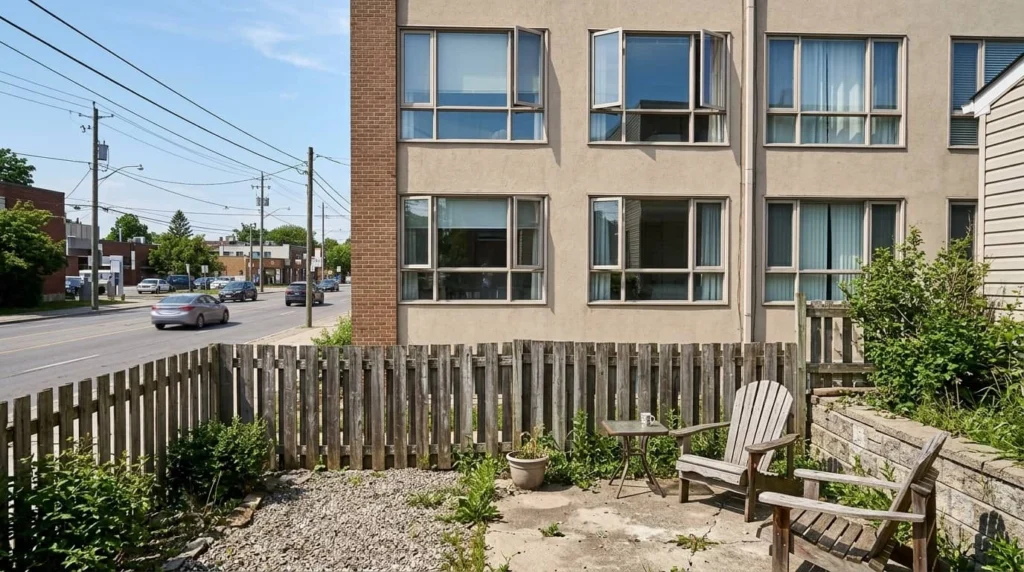
Lack of privacy. A yard that’s fully visible to neighbors or a busy street rarely gets used for entertaining, even if the layout is otherwise fine.
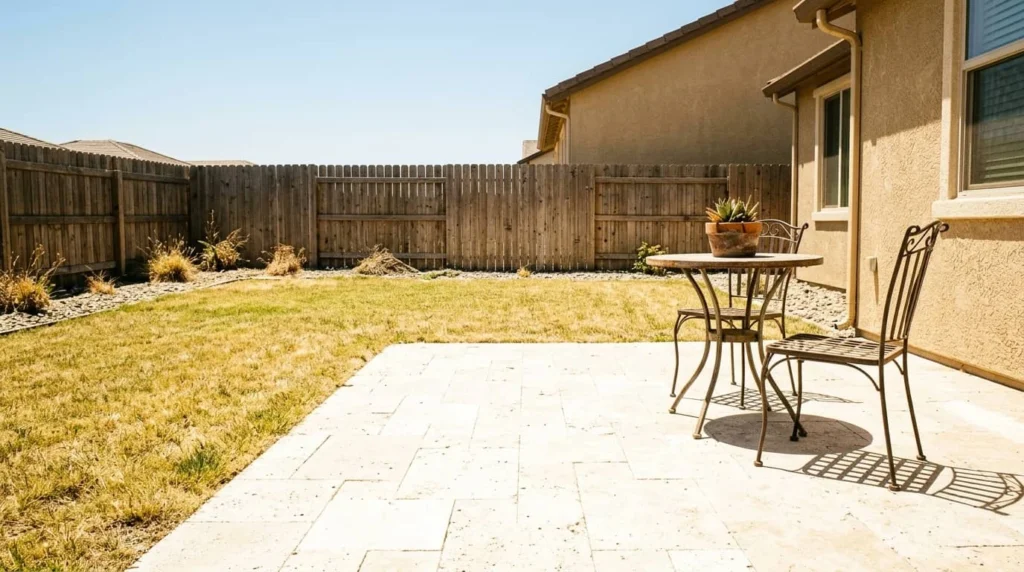
No shade or shelter. Direct sun for most of the day pushes people back indoors, especially in the warmer months when a backyard would otherwise get the most use.
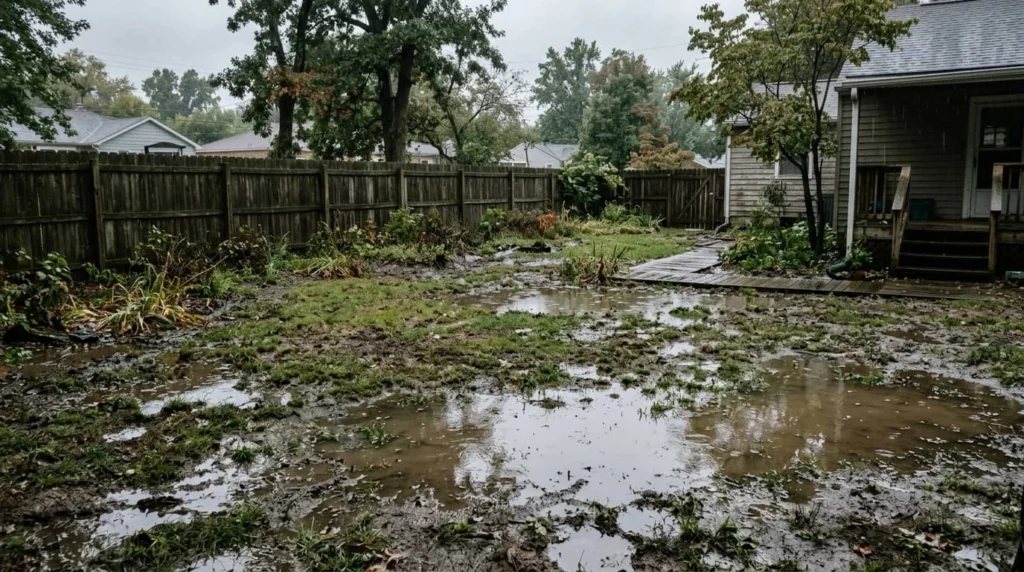
Poor drainage. Standing water after rain, soggy soil, or runoff pooling near the house are common reasons a yard feels unusable even when the square footage is there.
Most of these problems are solvable with the right combination of home-improvement projects — not necessarily a complete backyard overhaul.
Home Improvement Projects That Add Real Backyard Usability
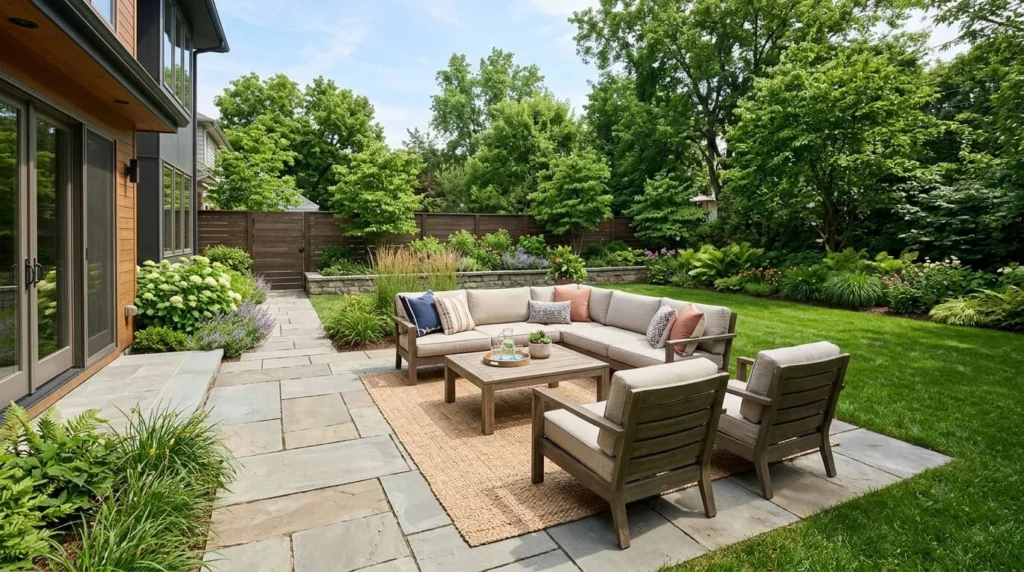
These are the projects homeowners get the most practical return from, ranked by the kind of problem they solve.
Create a Defined Seating or Gathering Area
An open lawn with no structure rarely gets used for anything beyond mowing. Adding a deck, patio, or gravel seating area gives the space a purpose and a boundary. Once there’s a place to physically sit, cook, or gather, the rest of the yard tends to get used more too — people spread out from that anchor point.
Add Shade
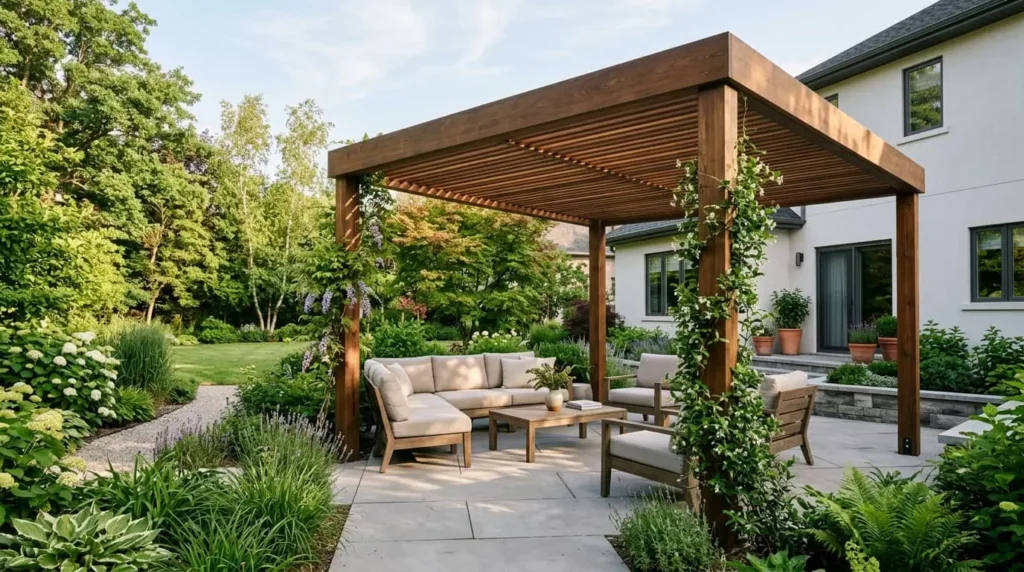
A pergola, shade sail, retractable awning, or even strategically placed trees can make a sun-exposed yard usable for hours longer each day. This is one of the lowest-cost projects on this list relative to the difference it makes.
Solve Drainage Before Anything Else
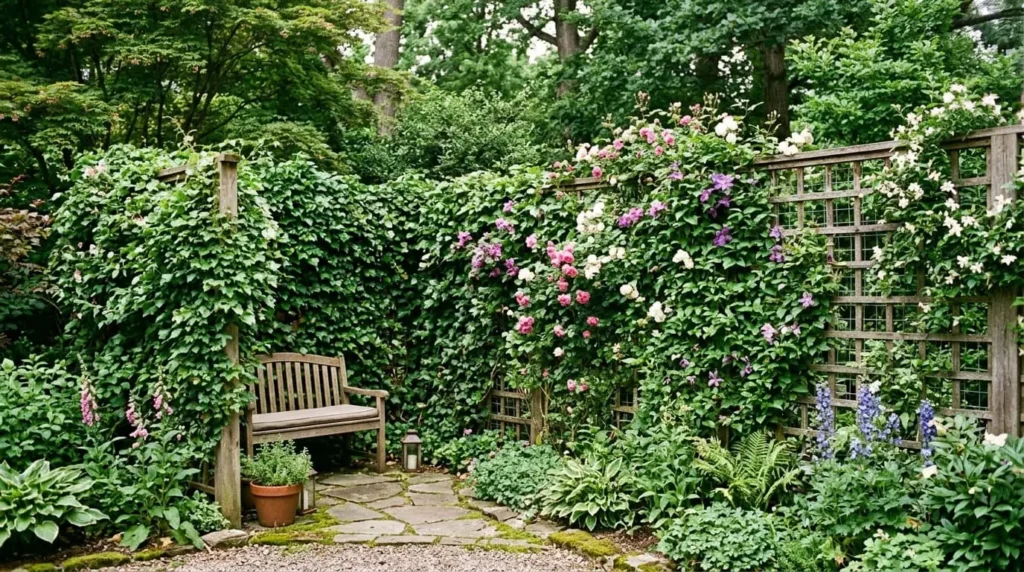
If water pools in your yard after rain, address grading, add a French drain, or install a dry creek bed before investing in decking, patios, or landscaping. Building on top of a drainage problem usually means redoing the work later.
Improve Privacy
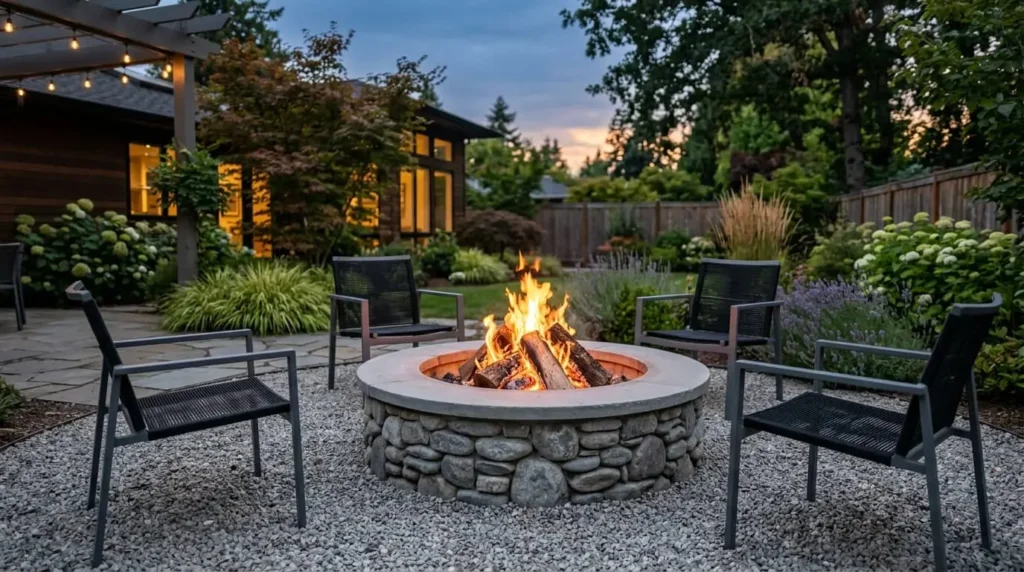
Fencing, tall planters, trellises with climbing plants, or a pergola with side panels can turn an exposed yard into one that feels enclosed enough to actually relax in. Privacy is often the difference between a yard that looks nice and one that gets used for entertaining.
Add an Outdoor Kitchen or Fire Pit
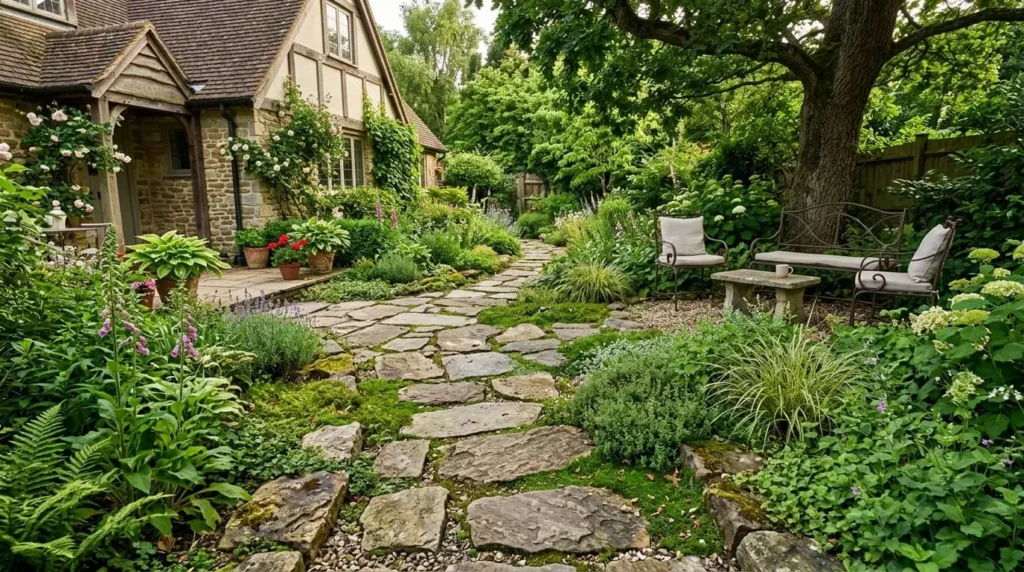
For homeowners who already have a seating area, a built-in grill station or fire pit extends how the space gets used — into the evening, into cooler months, and into more frequent everyday use rather than just special occasions.
Improve the Walking Surface
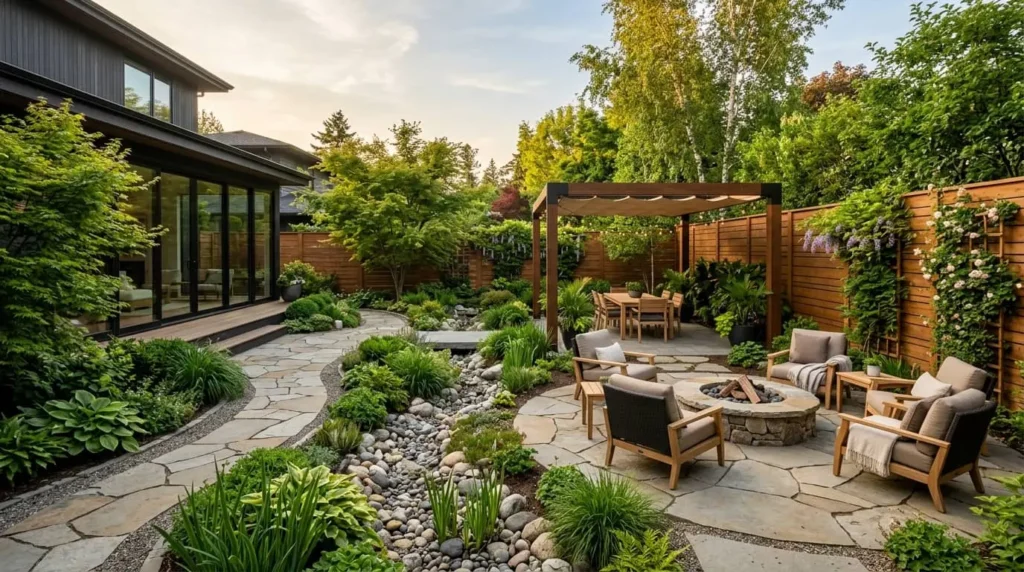
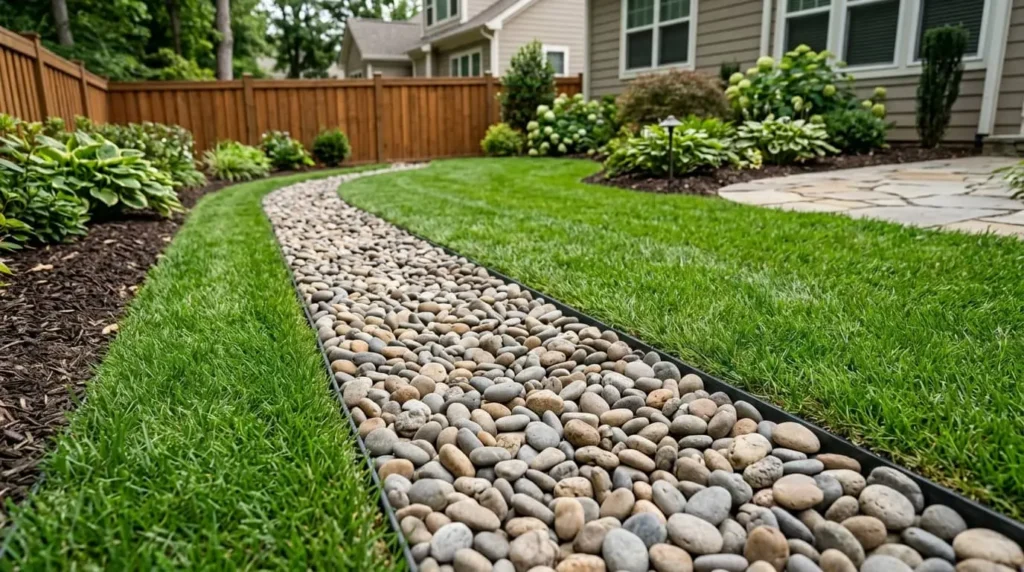
Gravel paths, stepping stones, or a small paver walkway connect different parts of the yard and make it easier to move between the house, seating area, and garden without cutting across mud or uneven grass.
Which Project Should You Start With?
Start with the problem that’s actually stopping you from using the yard, not the project that looks best in photos.
- If the issue is comfort and structure, start with a deck or patio.
- If the issue is sun exposure, start with shade.
- If the issue is standing water, fix drainage first — before any other project.
- If the issue is visibility from neighbors, start with privacy landscaping or fencing.
- If the issue is nothing to do out there, start with a fire pit, seating area, or outdoor kitchen.
Layering two or three of these together — for example, a deck with a pergola over it, or a patio with a privacy backyard fence — typically produces a more usable space than any single project on its own.
How a Deck Can Make a Backyard More Functional
A deck is one of the most direct ways to solve the “no defined purpose” problem. It creates a level, stable surface for furniture, dining, and entertaining, which is especially valuable on yards with sloped or uneven ground where a patio would need extensive grading first.
A deck also physically separates the “living space” of the yard from the rest of the lawn, which tends to make the whole backyard feel more organized and easier to use. Homeowners who add a deck often report that it becomes the default spot for meals, coffee, and evening downtime — the space finally has a job to do.
That said, a deck isn’t the automatic answer for every yard. It works best when:
- The yard has usable square footage for a structure of meaningful size
- The homeowner wants a raised, level surface (especially on sloped lots)
- Furniture, grilling, or dining is a priority use case
- Long-term durability and design flexibility matter more than upfront cost
It’s a less obvious fit when the yard is already flat, very small, or when the homeowner specifically wants a ground-level surface that blends into the landscaping — in those cases, a patio is often the better comparison.
Deck vs. Patio: Which Fits Your Backyard?
This is one of the most common decisions homeowners face when planning backyard improvements, and the right answer depends on your yard’s terrain and how you plan to use the space.
| Factor | Deck | Patio |
|---|---|---|
| Best for | Sloped or uneven yards | Flat, level yards |
| Elevation | Raised above ground | Ground level |
| Material options | Wood, composite, PVC | Concrete, pavers, stone |
| Maintenance | Varies by material | Generally low |
| Typical feel | Defined, structured space | Blends into landscaping |
| Cost factors | Framing, footings, material grade | Excavation, base prep, material |
Neither option is universally “better” — a deck generally makes more sense on sloped or elevated lots, while a patio tends to work better on flat ground where excavation and grading are minimal.
Decking Material Considerations
If a deck is the right fit for your yard, the next decision is material. Each option comes with real trade-offs in cost, maintenance, and lifespan.
Wood decking (pressure-treated pine, cedar, or redwood) has a lower upfront cost and a natural look, but it requires regular staining, sealing, and inspection for rot or warping.
Composite decking costs more initially but requires far less maintenance — no staining or sealing — and holds up well against moisture, fading, and insects over time.
PVC decking is fully synthetic, resists moisture completely, and offers the longest lifespan among common options, typically at the highest price point.
For homeowners specifically looking for low-maintenance decking, composite or PVC materials are usually the better long-term choice, even though the initial cost is higher than pressure-treated wood.
What to Consider Before Adding a Deck
Before committing to a deck project, walk through these factors:
- Available space — Measure the area realistically; a deck that’s too large for the yard can make the space feel cramped rather than open.
- Intended use — Dining, lounging, grilling, and entertaining all call for different layouts and square footage.
- Sun and shade patterns — Track how sun moves across the yard before finalizing placement.
- Budget — Material choice, size, railing style, and built-in features (benches, planters, lighting) all affect total cost.
- Local permitting requirements — Many municipalities require permits for decks above a certain height or size.
- Maintenance tolerance — Be honest about how much upkeep you’re actually willing to do each year.
- Long-term usability — A well-planned deck should still make sense for your household in five or ten years, not just this season.
When to Hire a Professional Deck Builder
Smaller, ground-level platforms are sometimes reasonable DIY projects for homeowners with construction experience. But most deck projects benefit from professional involvement, particularly when:
- The deck will be elevated more than a foot or two off the ground
- Structural framing, footings, or attachment to the house is involved
- Local permits and inspections are required
- You want a custom layout, multi-level design, or built-in features
- You’re comparing materials and want guidance on long-term cost versus maintenance
A professional deck builder brings permitting knowledge, structural expertise, and design experience that’s difficult to replicate on a first DIY attempt — and it reduces the risk of costly rework if the framing or drainage underneath the deck isn’t handled correctly from the start.
Frequently Asked Questions
What are the best home improvement projects for an unused backyard?
The most effective projects are the ones that solve the specific reason the yard isn’t being used — a defined seating area (deck or patio), shade structure, privacy fencing, or drainage correction. Fixing the actual obstacle matters more than picking a trendy project.
How can I make my backyard more usable?
Start by identifying what’s stopping you from using it now — lack of shade, no seating, poor drainage, or too little privacy — then address that specific issue before adding extras like fire pits or outdoor kitchens.
What is the best way to create more outdoor living space?
Adding a deck or patio is typically the most direct way to create usable outdoor living space, since it gives the yard a defined, furnished area rather than leaving it as open, undefined lawn.
Can a deck make a backyard more functional?
Yes. A deck creates a level, stable surface for furniture and entertaining, and it’s particularly useful on sloped or uneven yards where a ground-level patio would need significant grading first.
Is building a deck a good home improvement project?
For most homeowners with underused backyards, a deck is a strong option because it directly solves the “no defined purpose” problem and supports a wide range of uses, from dining to relaxing to entertaining.
What should I consider before adding a deck to my backyard?
Consider available space, intended use, sun exposure, budget, local permitting rules, maintenance tolerance, and how the space needs to function long-term — not just for the current season.
What is better for a backyard, a deck or a patio?
It depends on the terrain. Decks generally work better on sloped or uneven yards since they’re raised off the ground, while patios tend to suit flat yards better since they sit at ground level with less excavation involved.
What type of decking is best for low maintenance?
Composite and PVC decking require the least maintenance since they don’t need staining or sealing and resist moisture, fading, and insect damage better than pressure-treated wood.
How much does a backyard deck typically cost?
Cost varies significantly based on size, material, height, and design features like railings or built-in seating. Wood decking is generally the lowest upfront cost, while composite and PVC cost more initially but require less long-term maintenance spending.
When should I hire a professional deck builder?
Hire a professional when the deck will be elevated, requires structural framing or attachment to the house, needs permits, or involves a custom design — situations where experience significantly reduces the risk of costly mistakes.
How can I choose the right deck builder for my project?
Look for a builder with verifiable experience, examples of completed projects similar in size or style to what you want, clear communication about permitting and timelines, and a transparent, itemized quote before work begins.
The Bottom Line
An unused backyard is almost always a solvable problem, not a permanent condition. Identify what’s actually keeping you out of the space — sun, structure, privacy, or drainage — and choose the home improvement project that addresses it directly. For many homeowners, that solution is a deck: a stable, defined space that turns an empty yard into the part of the house everyone actually wants to be in.
Is your backyard going unused? All Decked Out 864 LLC shares practical home improvement ideas—decks, shade, drainage—plus expert deck services to help.